BIOME LUMINA #988/1000
Number of tickets
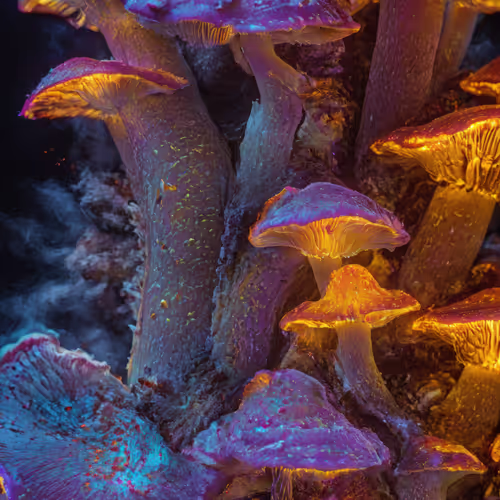
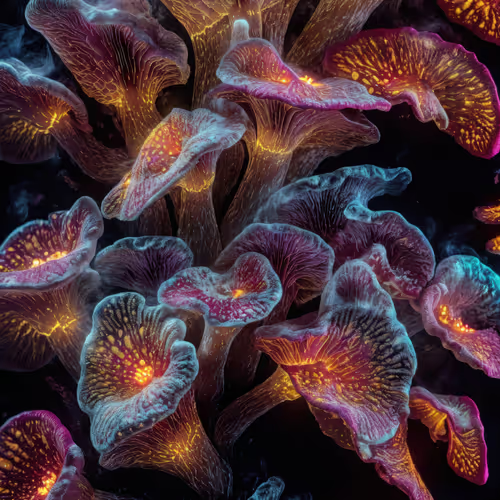
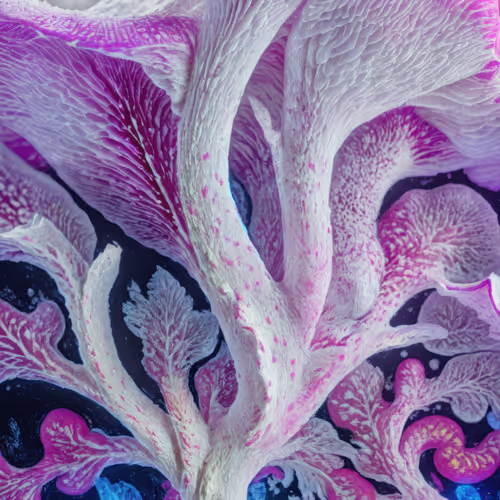
Luminocorona Mysticus, from Latin 'luminis' (light) and 'corona' (crown), is an ethereal fungus with crown-like luminescent caps. Caps are conical, 0–15 cm tall, showing violet to golden-orange hues under UV. The surface features granular warts; closely spaced gills emit warm orange bioluminescence via a luciferin-luciferase system in the hymenium and cap cells, primarily in the blue-green spectrum (450–495 nm). The slender, translucent stipe supports the cap. Thriving in temperate forest understories on moist, decaying wood at 10–20°C, L. Mysticus is saprotrophic, decomposing lignocellulosic material and aiding nutrient cycling. It belongs to family Mycaceae, genus Luminocorona, order Agaricales within the Galactic Mycelium cluster. Spores disperse via wind and invertebrates attracted by glowing gills. The extensive mycelium network supports forest health. Among ten known species, it is vulnerable due to habitat specificity and environmental threats.