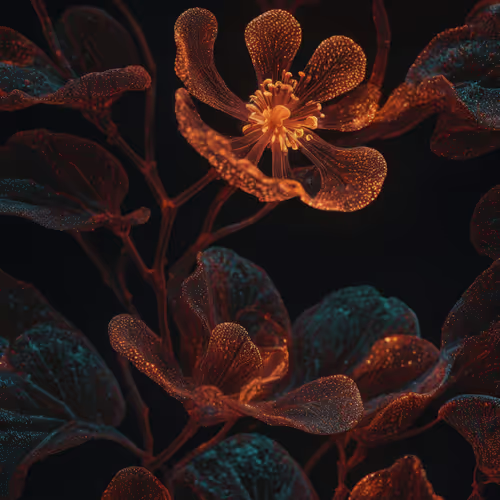
BIOME LUMINA #954/1000
Number of tickets
Luminis Mycoglowensis, named for its light and glowing fungal traits, is a rare bioluminescent fungus endemic to tropical rainforest understories. It has convex to slightly umbonate caps up to 15 cm tall, pale cream with yellow-orange speckles. Densely packed, decurrent gills and a stout, fibrillose stipe both emit a warm luminescent glow. Fruiting bodies cluster on decaying wood, reflecting its saprotrophic lifestyle. Bioluminescence stems from a luciferin-luciferase system, emitting 470-530 nm light to attract nocturnal insects, aiding spore dispersal. Classified in Physalacriaceae, genus Luminis, order Agaricales, it tolerates 10-25°C and weighs 5-50 g per fruiting body. Its mycelium colonizes decomposing wood, accelerating nutrient cycling and maintaining ecological balance in tropical forests.